BOI Reporting for Small Biz – 2024
If you’re a small business owner, you’ve probably heard whispers about something called “BOI reporting.” Maybe you saw it in an email from your accountant or noticed a headline scroll by on your phone. Either way, you might be wondering: what is it, and does it affect me?
The short answer? If you own an LLC, corporation, or similar business entity, it probably does.
Let’s break down what Beneficial Ownership Information (BOI) reporting means for your small business, why it matters, and what you need to do to stay compliant.
What Is BOI Reporting, Anyway?
BOI reporting is a new federal requirement that kicked in on January 1, 2024. It comes from the Corporate Transparency Act (CTA), which Congress passed back in 2021. The goal is pretty straightforward: the government wants to know who actually owns and controls businesses in the United States.
Why? To crack down on money laundering, terrorism financing, and other shady activities. For most small business owners, this is just another box to check. But it’s an important one.

Under this requirement, most small businesses need to report identifying information about their “beneficial owners” to FinCEN: that’s the Financial Crimes Enforcement Network, a bureau of the U.S. Treasury Department.
Think of it as the government creating a database of who’s behind America’s businesses. If you’re running a legit operation (and I know you are), this is mostly just paperwork. But ignoring it? That could get expensive.
Does Your Business Need to File?
Here’s the deal: most small businesses are required to file a BOI report. This includes:
- Corporations
- Limited liability companies (LLCs)
- Limited partnerships
- Similar entities created or registered to do business in the U.S.
If you formed your business by filing paperwork with your state (like articles of organization or incorporation), you’re probably on the hook for this.
Exemptions to Know About
Not everyone has to file. There are 23 categories of exempt businesses, including:
- Publicly traded companies
- Nonprofits
- Certain large operating companies
You might also be exempt if your business meets ALL three of these criteria:
- Employs more than 20 full-time employees
- Reports more than $5 million in annual gross receipts
- Has a physical presence at a U.S. business office
For most sole proprietors, single-member LLCs, and small business owners, these exemptions won’t apply. If you’re a realtor, travel agent, photographer, gym owner, or DoorDash driver with an LLC, you’ll likely need to file.

What Information Do You Need to Report?
The BOI report asks for details about two things: your business and your beneficial owners.
About Your Business
You’ll need to provide:
- Your business’s full legal name (plus any DBAs or trade names)
- Current principal place of business address
- The state where your business was formed
- Your EIN or Tax ID number
About Your Beneficial Owners
A “beneficial owner” is anyone who:
- Owns or controls at least 25% of the company, OR
- Has substantial control over the company
For each beneficial owner, you’ll need to report:
- Full legal name
- Date of birth
- Current residential address (not a P.O. box)
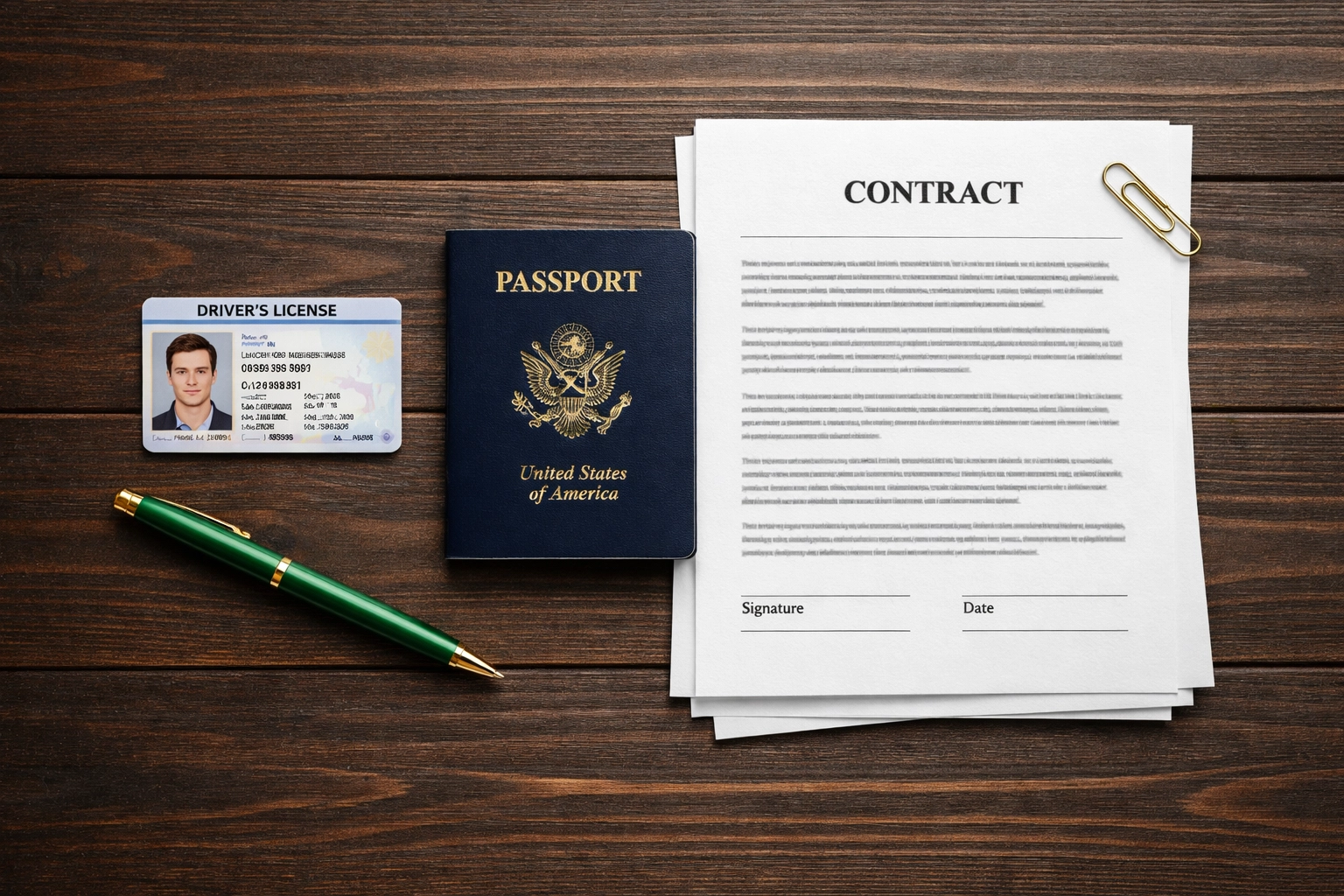
- An ID number from a valid document (like a driver’s license or passport)
- An image of that identification document
If you’re the sole owner of your LLC, congrats: you’re the beneficial owner. You’ll be reporting your own information.
When Is the Deadline?
This depends on when your business was formed.
If your business existed before January 1, 2024:
Your initial BOI report is due by January 1, 2025.
If your business was formed on or after January 1, 2024:
You have 90 days from the date you received notice of your business’s creation or registration.
So if you just formed your LLC in March 2024, the clock started ticking from that date.
How Do You File?
Good news: filing is free and done online through FinCEN’s official website. You don’t need to pay anyone to do this for you (though some services will charge you anyway: watch out for that).
The process is pretty straightforward:
- Go to FinCEN’s BOI e-filing system
- Create an account or file as a guest
- Enter your business information
- Enter your beneficial owner information
- Upload ID documents
- Submit
That’s it. No fee. No paper forms. Just you and a computer.
What Happens If You Don’t File?
Here’s where it gets serious. Failing to file your BOI report: or providing false information: can result in significant penalties. We’re talking civil and criminal penalties, and senior officers can be held personally accountable.
This isn’t the kind of thing you want to put off or forget about. Mark your calendar, set a reminder, do whatever you need to do. Compliance matters.
Do You Have to File Every Year?
Nope! Unlike your tax returns, the BOI report is a one-time filing… unless something changes.
If any of the reported information changes: like you get a new address, change your name, or bring on a new owner: you have 30 days to file an updated report.
Same goes if your exemption status changes. If you were exempt but no longer qualify, you’ll need to file.

Tips for Making This Easy
Here are a few ways to simplify the process:
1. Gather your documents first. Have your driver’s license or passport ready, along with your EIN and business formation documents.
2. Double-check your information. Make sure names match exactly what’s on your ID. Small typos can cause headaches.
3. Keep records. Save a copy of your confirmation after you file. You’ll want proof that you submitted on time.
4. Set a reminder for updates. If anything changes with your ownership or business info, remember that 30-day window.
5. Don’t pay for something that’s free. The FinCEN filing system is free. Be cautious of third-party services trying to charge you hefty fees for something you can do yourself.
Need Help Staying Compliant?
Look, we get it. Between running your business, serving your clients, and keeping up with taxes, the last thing you want is another compliance headache. But BOI reporting is here to stay, and getting it done right protects you and your business.
If you have questions about how BOI reporting affects your specific situation: or if you want help making sure your tax and compliance ducks are in a row: we’re here for you. No judgment, just straightforward guidance.
Ready to chat? Book a time with us and let’s make sure your business is set up for success.
At Small Business Tax Solutions, we help small business owners like you stay compliant without the stress. Reach out today( we’ve got your back.)